Choosing a Bicycle
The first decision should be what kind of cycling do you want to do, essentially the kind of terrain that will be cycled upon:
- Road - racing or endurance rides on tarmac
- Hybrid - commuting or casual riding on roads and cycle lanes
- Gravel - following off-road adventures on gravel or semi-rough terrain
- Mountain - navigating rough and dirty terrain
Frame Material
Materials used to create the frame and forks determines the weight, durability and to some extent comfort. The material can greatly effect the overall cost of the bicycle.
The budget available for the bike will drive which material is right for you, for the type of cycling to be done.
Common types of bike frame are:
- Carbon Fibre - light and strong material at medium cost
- Alloy / Aluminium - good strength and durability, relatively low cost
- Titanium - most durable material, heaviest option and most expensive
- Steel - strong and durable, at low cost but susceptible to corrosion if not actively maintained
Most mid-range and premium road bicycles are made from carbon.
Entry level road bicycles are mostly made from Alloy, optionally with carbon forks for greater comfort. Some Asian companies are starting to create entry level carbon bicycles for their own markets and internationally.
Carbon Fibre Variants
A 'carbon' frame is a composite material with resins used to bond carbon fibres together into sheets. The Carbon sheets are layered to create the frame, with either dry carbon sheets or sheets already impregnated with resin (prepreg carbon fibre).
The most common carbon fiber types used in cycling components are T700, T800, and T1000, all developed by Toray, one of the world’s leading carbon fiber manufacturers. These labels indicate tensile strength and modulus, two critical performance indicators.
- T700 an entry level carbon fiber, with high tensile strenght and more compliant for flexibility. The heaviest of the variants.
- T800 increased tensile strength whilst reducing weight, used on high end products
- T1000 provides extremely high tensile strength, use to create lightweight frames where performance is key and comfort is low priority.
Frame designers use the different variants throughout a frame to balance strength, compliance and weight.
Bianchi Countervail is a patented composite vibration-cancelling material, combining visco-elastic compounds with specially developed carbon fibre to reduce vibration and rider fatigue and create a frame that is 20% lighter.
Gusto uses a Latex, Innegra and T1000 carbon fibre composite material, making their frames remarkably rigid, light, and compliant. Latex enhances the absorption properties of the frame.
Frame Size
Bicycle frames are manufactured in roughly the same sizes, from extra small (XS) through to extra large (XL). A frame can also be defined in centimeters (typically from 47 to 61), indicating the length of the seat tube.
The frame size is an important first measure of size, although the frame geometry can greatly affect the size of frame suitable for a specific person.
Bicycle frame geometry refers to the lengths and angles of the tubes of a bicycle frame, which significantly affect how the bike performs and fits the rider. Key measurements include the head angle, seat angle, wheelbase, and fork offset, all of which influence handling and comfort.
A bicycle is a good size for a rider if they are within the fit window, meaning the bicycle can be adjusted without changing parts or components on the bicycle for an optimum position.

Racing vs Endurance frames for road bicycles
A Racing road bike typically has a longer top bar and lower head tube, placing the rider in a more 'aggressive' position, to enhance the speed the can atain especially when on the drops of the handlebars.
An Endurance road bike places the rider in more up-right position which is more comfortable over long distances.
Brands and where to buy
Bianchi, Bordman, Cannondale, Ribble, Specialised, Trek and Wilier are well established brands that provide a wide variety of bicycles.
Bianchi is a particular favorite of Team Rocket, due to their beautiful design and excellent performance. Their Counterval technology adds vibration dampening to key parts of the Bianchi frame, providing a very smooth ride.

Ribble bicycles have been designed and built in Lancashire, England since 1897. They have excellently designed range of bicycles available at very competitive prices. The Ribble website provides a build tool where each model can be customised to your needs.

Interesting new brands
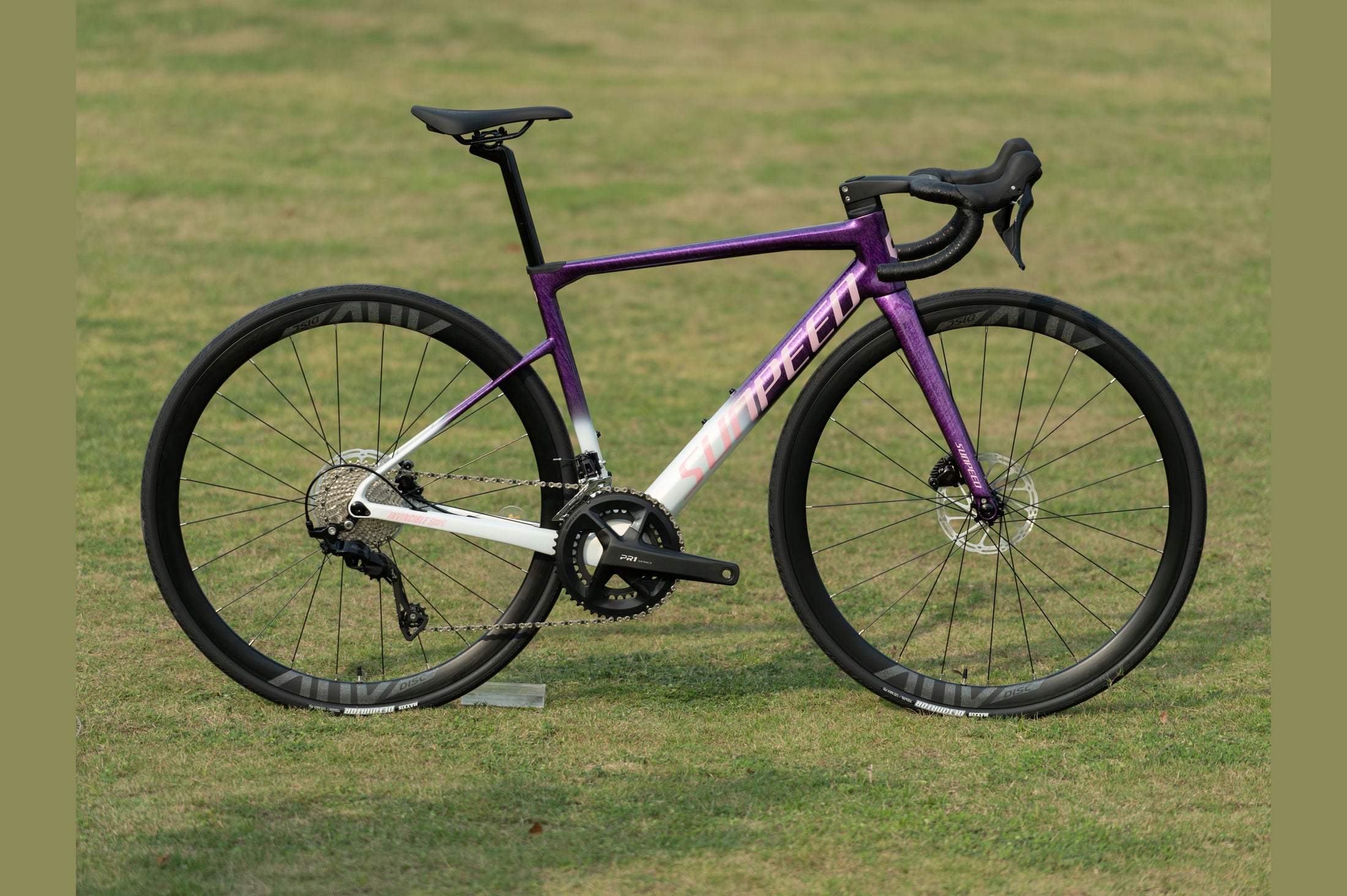
Gusto and Sunpeed are relative new comers with very interesting bicycle ranges.
Gusto is a recent entry in the international market, providing excellent value for money for mid to top of the range bicycles. Gusto frames are uniquely made with a latex and T1000 carbon fibre composite material to provide a compliant and comfortable riding experience.

Sunpeed offer a range of entry level to high performance carbon bicycles. VRide it their North London (United Kingdom) commercial shop, where you can take a free test ride of the Sunpeed bicyles.